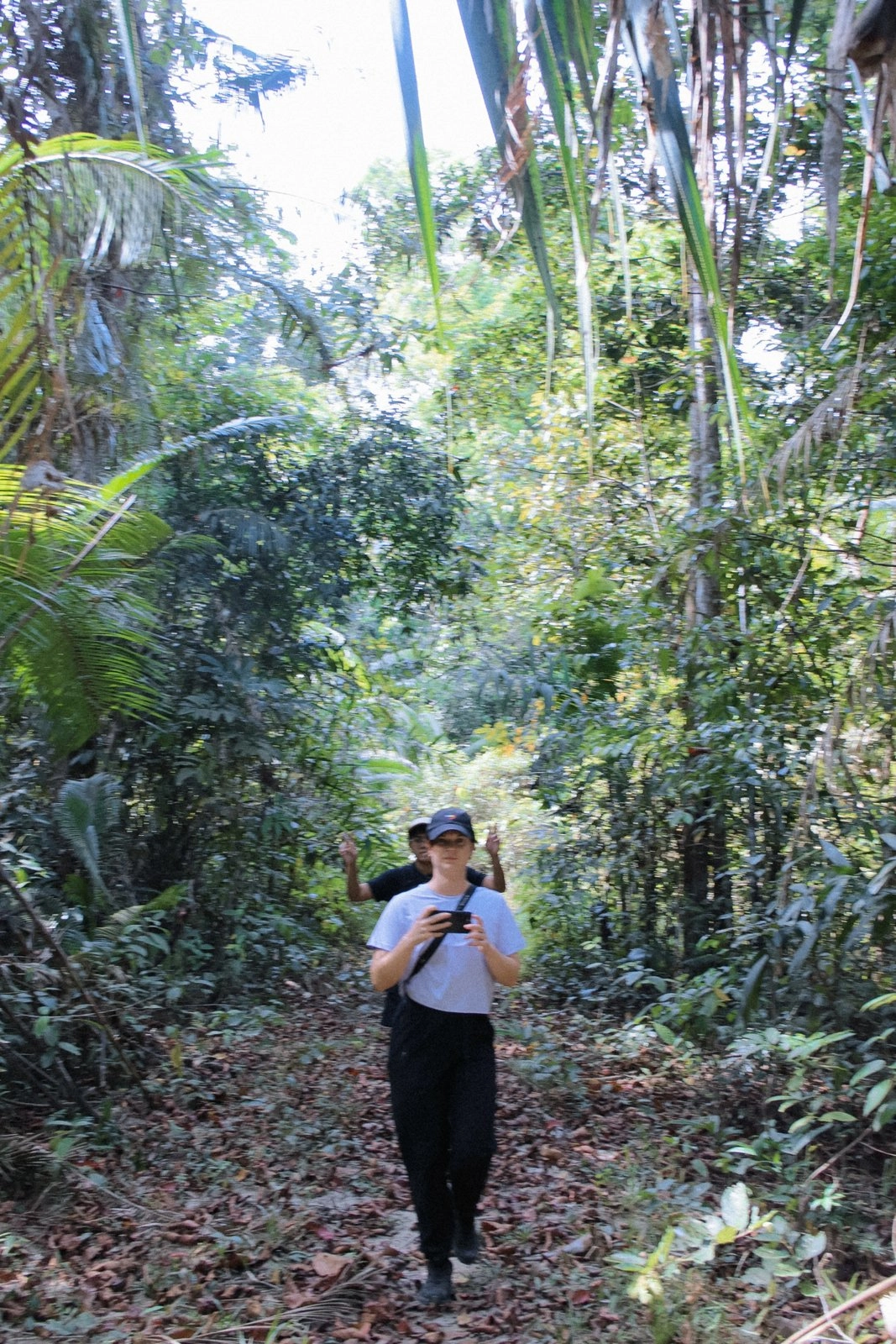
Let's get this out of the way first: leeches are not dangerous. They're not venomous, they don't carry diseases, and they don't cause infections. They're slightly gross, occasionally surprising, and completely harmless. Across all the jungle treks I've led in Langkawi, I've never had a guest suffer anything worse than a small itchy spot that fades in a day or two.
That said, I understand the worry. Nobody wants to discover a blood-sucking worm on their ankle while eating lunch. So here's everything you actually need to know — when they show up, how to avoid them, and what we do on my trips to make sure they're barely an issue.
When is leech season in Langkawi?
Leeches are most active during the wet season, which roughly runs from September to November and again during the inter-monsoon periods in April and May. During these months, the forest floor stays damp, the humidity is high, and the leeches come up from the soil looking for a meal.
In the dry season — December through March — they're far less common. You might spot one or two on a wet patch, but it's genuinely rare. I've run trips in January where we didn't see a single leech all day.
Even during peak leech season, most of my guests finish the trek without ever knowing they were near one. Preparation beats panic every time.
What kind of leeches are we talking about?
Langkawi's rainforest has the typical land leeches — small, brown, about the size of a fingernail clipping. They're not the massive water leeches you might have seen in documentaries. These guys live in leaf litter and soil, and they sense movement and body heat. When you walk past, they stand up like tiny periscopes and wave around trying to grab onto something warm.
They move slowly. They don't jump. They don't drop from trees. They crawl. Which means if you're wearing the right clothing, they never get close enough to be a problem.
How we handle leeches on the Adventure Lunch trip
I don't expect my guests to be jungle survival experts. That's my job. Here's what I provide and do:
- Anti-leech spray. I bring a quality repellent spray and apply it to shoes, socks, and the lower part of trousers before we start. It works. I've tested plenty of brands over the years, and the one I use now keeps leeches away for the full trek.
- Long socks. I provide long socks for every guest. You wear them pulled up over the bottom of your trousers. This creates a physical barrier — leeches can't get under the fabric, and the spray on the outside repels anything that tries.
- I check the group. During breaks, I do a quick visual check of everyone's ankles and shoes. If I spot a leech trying its luck, I remove it before anyone notices. Most of the time, guests never even see one.
- I know the trail. There are sections of the forest where leeches cluster more than others. I adjust the pace and route slightly based on conditions. In heavy leech season, I might take a slightly different path through the wide forest section where the ground is drier.
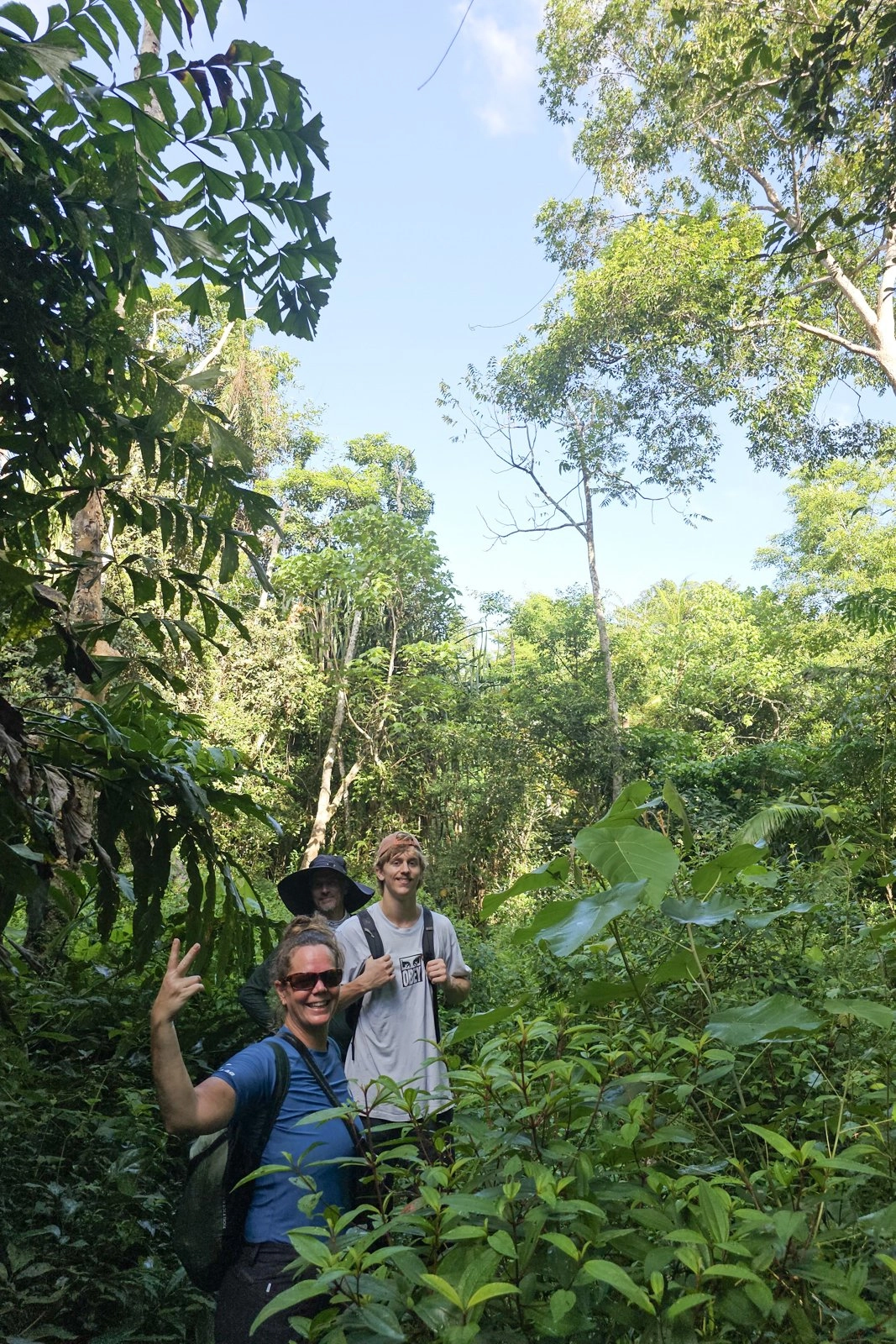
What to do if you do get bitten
Despite everything, occasionally one gets through. Here's what happens and what to do:
- You won't feel the bite. Leeches inject a mild anaesthetic, so you don't notice them feeding. Most people only discover one when they spot it visually or feel it after it drops off.
- Don't panic-pull it. If you yank a feeding leech off, the mouthparts can stay in the skin and cause a small sore. The best method is to pinch the skin around it or use a fingernail to slide under its mouth. It'll let go immediately. Or just wait — they drop off on their own when full, usually within 20 minutes.
- The wound bleeds more than you'd expect. Leeches inject an anticoagulant, so the spot might keep bleeding for a while. A bit of tissue pressure stops it. It's not dangerous — just messy.
- Clean it afterwards. I carry antiseptic wipes. A quick clean and it's fine. The tiny mark fades within a couple of days.
Should you avoid the trek because of leeches?
No. Absolutely not. Here's why:
- I've guided people with serious leech phobias who ended the day laughing about it
- The anti-leech setup works — most guests in leech season finish without a single bite
- Even if you do get one, it's a minor annoyance at worst, not an injury
- The trail, the pool, and the lunch are worth infinitely more than worrying about a 2cm worm
The guests who struggle are the ones who wear shorts and refuse the spray. The ones who listen, dress right, and let me handle the prevention have a great time regardless of season.
My favourite leech story: a guest from Germany was terrified before the trek. She made me promise there wouldn't be any. I did my usual spray-and-socks routine, and at the pool she said, "That was amazing — and I didn't see a single leech!" She didn't know I'd removed three from her shoes during the walk. Some things are better left unsaid.
The bottom line
Leech season in Langkawi is real, but it's not a reason to stay home. With the right clothing, good repellent, and a guide who knows the trail, leeches become a non-issue. The jungle has far more interesting things to offer — waterfalls, hidden pools, kingfishers, monitor lizards, and the kind of silence you can't find anywhere near the beach.
Come in wet season, come in dry season. I'll make sure you're prepared either way. Message me if you're worried — I'm happy to talk you through it.